Lyme disease cases have tripled in the northeastern United States over the past two decades. New York, Pennsylvania, and New Jersey are among the highest-incidence states in the country. Protecting your family from tick-borne disease starts with controlling ticks in your yard.
Understanding Deer Ticks
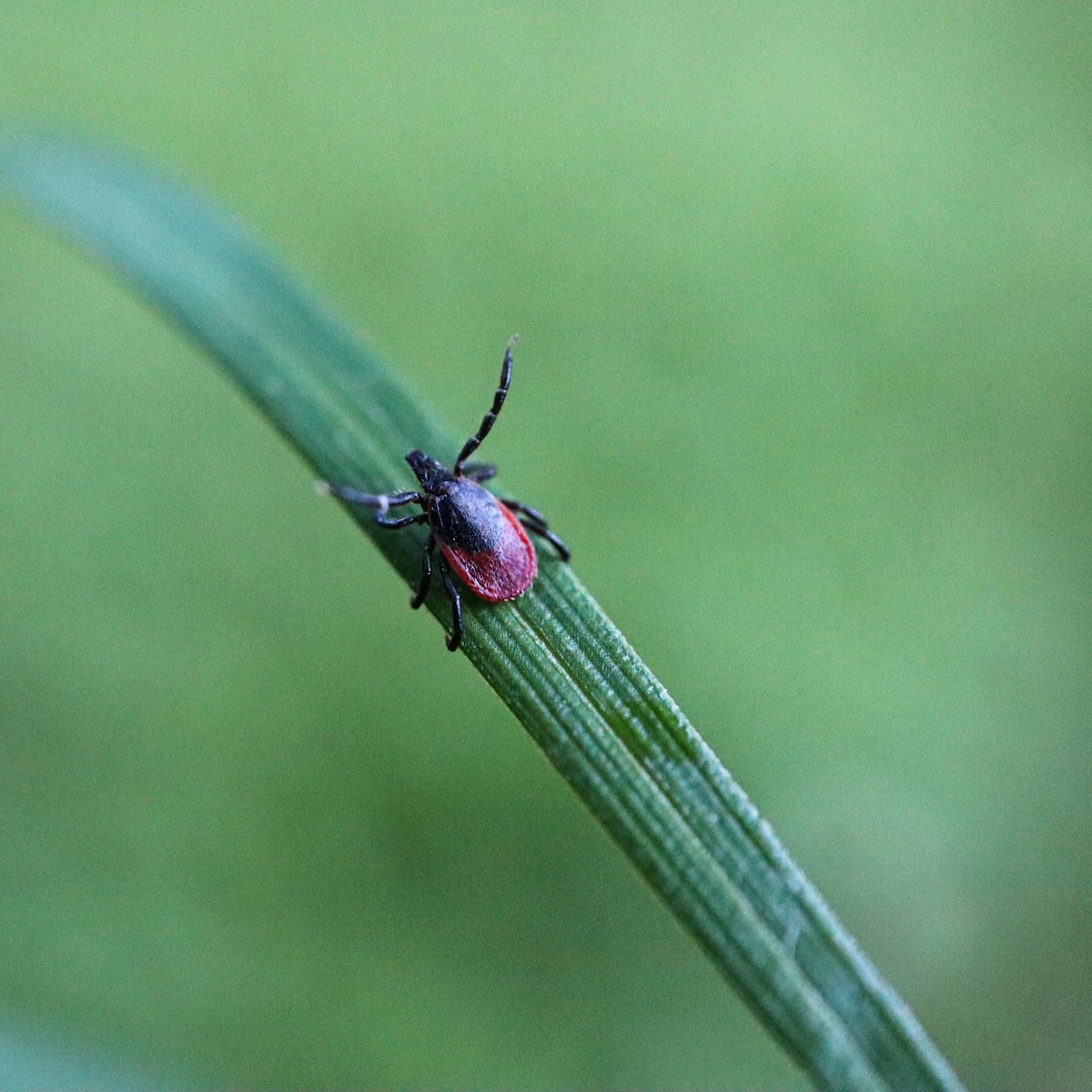
Black-legged ticks (deer ticks) are the primary vector for Lyme disease in the northeast. They're active year-round — even in winter during warm spells. Understanding their habitat is the first step in control:
- They live in dense vegetation, tall grass, leaf litter, and wood piles
- They prefer the edges between lawns and wooded areas (the "transition zone")
- White-footed mice are the primary host for larval and nymphal ticks — and the primary reservoir for Lyme bacteria
Tick Tubes — A Brilliant Natural Solution
Tick tubes are one of the most effective and environmentally targeted tick control tools available. Here's how they work:
- Cardboard tubes are filled with permethrin-treated cotton balls
- Mice take the cotton for nesting material
- The permethrin in the nesting material kills ticks feeding on the mice
- Since mice are the primary host for young ticks, this breaks the tick life cycle at the source
Studies show tick tubes reduce tick populations by 90%+ in treated areas. They are highly targeted — permethrin in nest material doesn't impact birds, beneficial insects, or other wildlife.
Botanical Perimeter Treatments
Plant-based barrier sprays applied to the "transition zone" between lawn and wooded areas significantly reduce tick activity. Products containing cedar oil, rosemary, and clove oil are effective and break down naturally in the environment.
Habitat Modification
Making your yard less hospitable to ticks is the most lasting solution:
- Keep grass cut short — ticks need moisture and avoid direct sun
- Remove leaf litter and wood piles where ticks and their rodent hosts live
- Create a 3-foot barrier of wood chips or gravel between lawn and wooded areas
- Keep deer from entering the yard if possible (deer are the primary adult tick host)
A professional tick management program combining tick tubes, botanical perimeter treatments, and habitat consultation can dramatically reduce your family's tick exposure throughout the season.